When acne inflames the skin, the body tries to repair the damage by producing collagen. If it doesn't produce enough, the result is a permanent mark left behind — an acne scar.
Chemical Peels for Skin and Scars
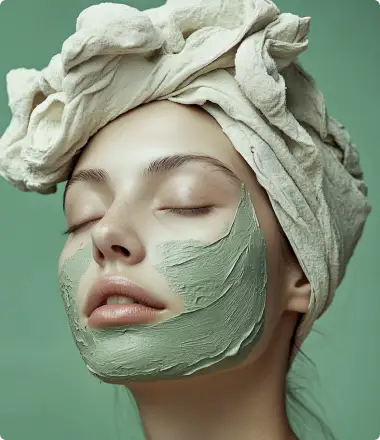
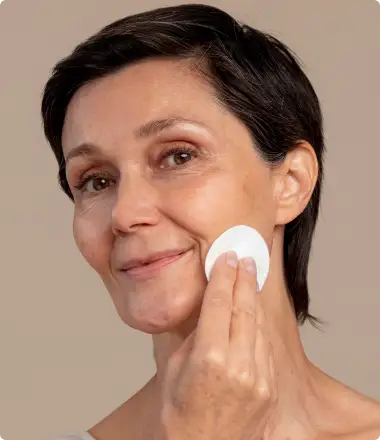
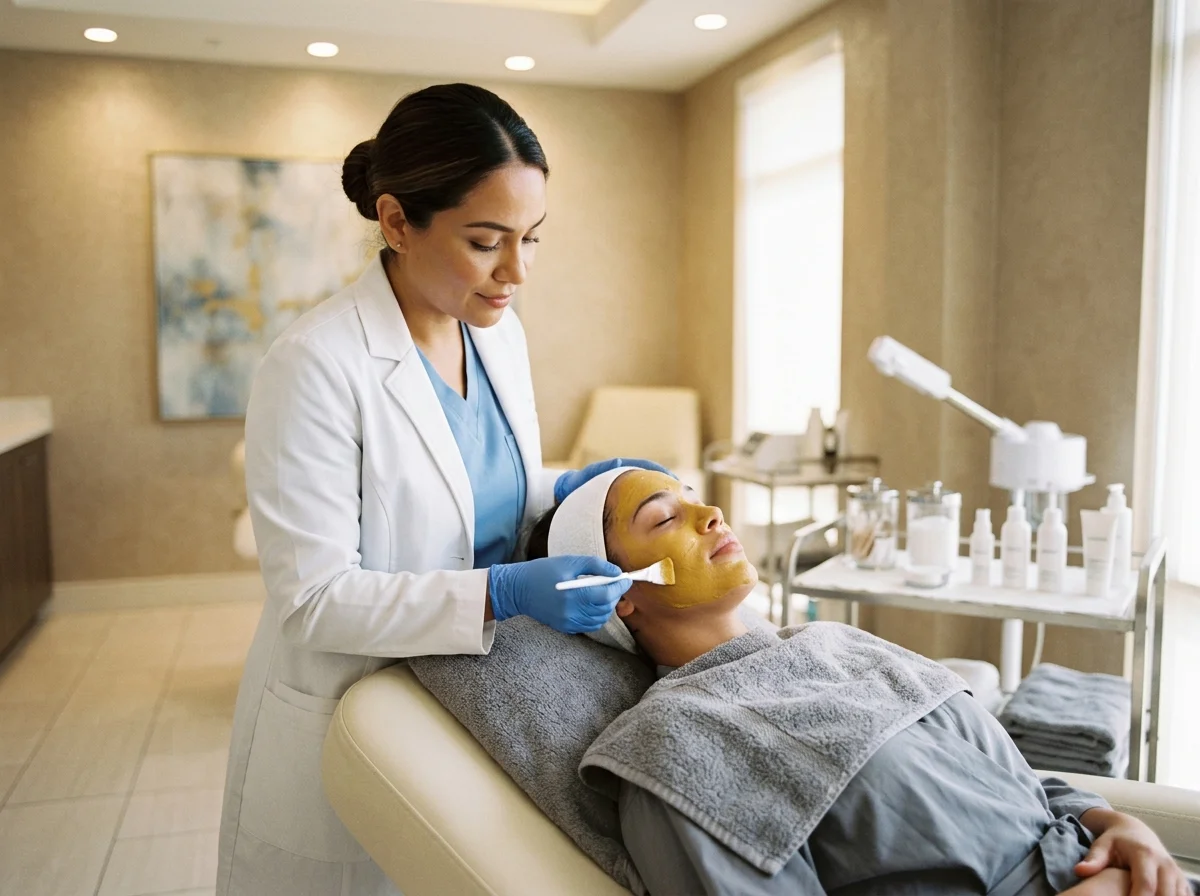
Chemical peels are one of the most reliable solutions for acne and acne scars. Our dermatologists use plant-based, non-toxic extracts at varying concentrations to gently exfoliate the damaged outer layer of skin, revealing smoother, healthier skin underneath. The number of sessions and peel strength is decided based on your specific skin condition and scarring.
Advanced Acne Scar Treatment Options
If scarring has already happened, it's not too late. At Creator Aesthetic Clinic, we offer several medical solutions:
- Pixel Laser Skin Resurfacing: Using an advanced fractionated Erbium YAG laser, our dermatologists create controlled micro-injuries on the top layer of the skin. This works particularly well for boxcar and rolling acne scars — the heat from the laser stimulates collagen production, gradually reducing scar depth. The treatment itself is painless, with numbing gel applied beforehand for comfort.
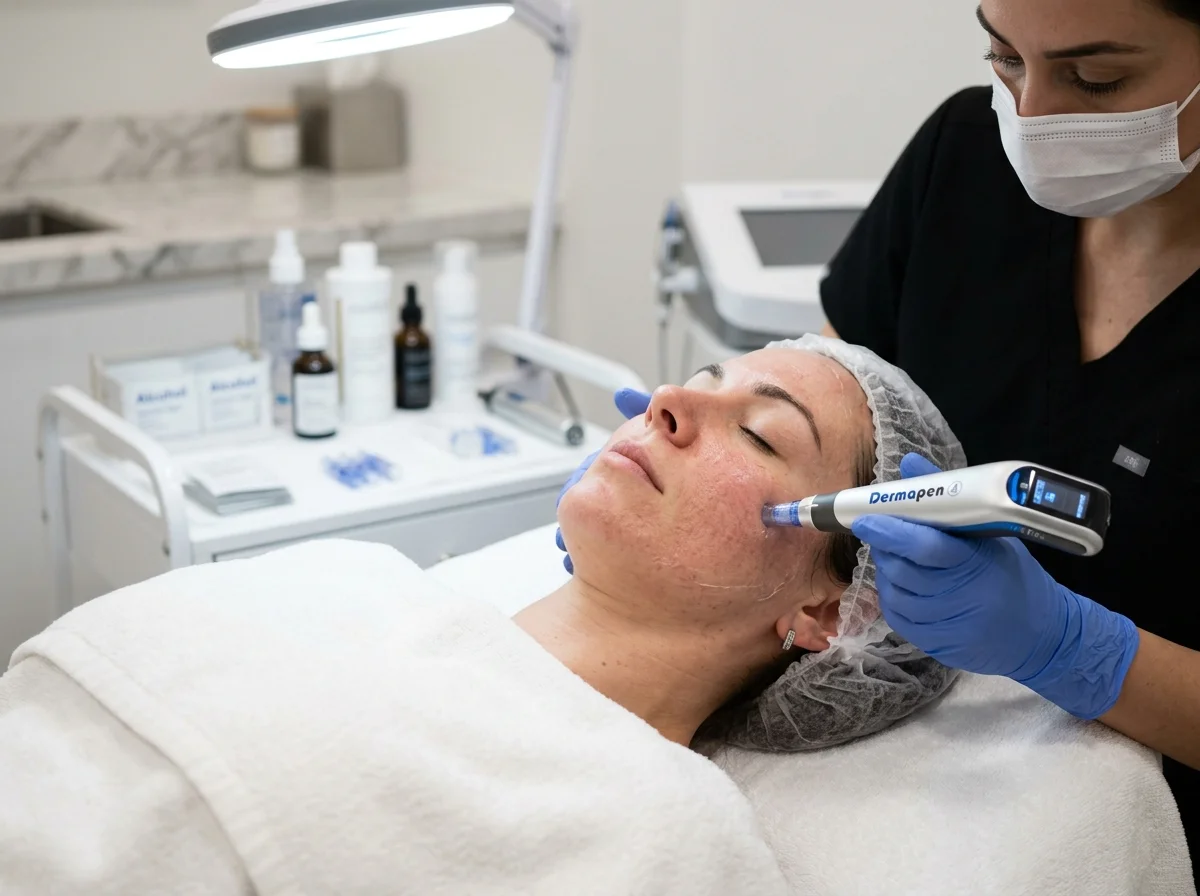
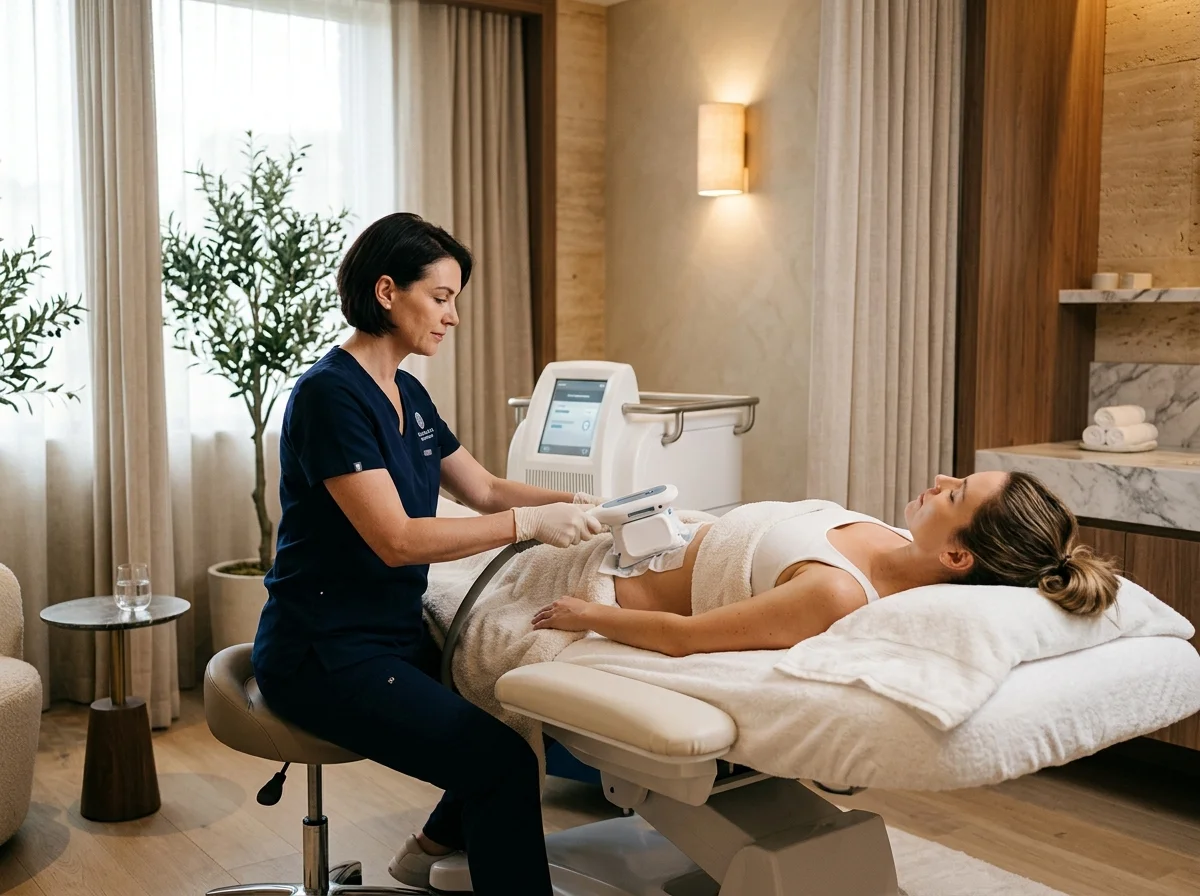
- MNRF (Microneedling Radiofrequency): A minimally invasive treatment that combines microneedling with radiofrequency energy. Tiny needles create controlled micro-injuries, and the RF energy adds a skin-tightening effect, improving both texture and scar appearance.
- Subcision: Uses fine needles to gently release the fibrous bands that pull a scar down and tether it to the tissue beneath.
- TCA CROSS Peel: Particularly effective for deep ice-pick scars. This technique uses a trichloroacetic acid solution applied precisely to the scarred tissue to encourage collagen rebuilding.
- Laser Toning: Targets post-inflammatory hyperpigmentation (dark marks left behind after acne heals) using an advanced Q-switched Nd:YAG laser.
- Intralesional Injections: For raised or elevated scars, specialized corticosteroid injections are used to help flatten and soften the scar over time.
How Acne Scar Treatment Works
Our approach follows a structured, three-step process:
- Step 1 — Pre-Treatment Assessment: We begin with a detailed evaluation of your skin — assessing skin type, scar type, grade, and spread. Your dermatologist designs a custom treatment plan, which may involve one method or a combination.
- Step 2 — During Treatment: Your chosen treatment is carried out under expert supervision, with comfort measures like numbing gel or topical anaesthesia used as needed.
- Step 3 — Post-Treatment Care: You'll be given aftercare instructions — covering hydration, sun protection, and skincare — to support healing and help you get the most out of your results.